How to Pick a Coffee Vending Machine: Match the Brew to the Crowd and the Cleaning You Can Keep Up With
Pick a coffee vending machine by matching how it makes coffee to who drinks it and to how often you can get there to clean it. Fresh-ground and espresso machines make the best cup but need the most service. Instant, pod and chilled ready-to-drink coffee are easier to keep up with. This guide is for operators who have a location asking for coffee and need to pick a format they can keep running.
By Mike Hoffmann, Founder · 7 min read
Browse the machine catalog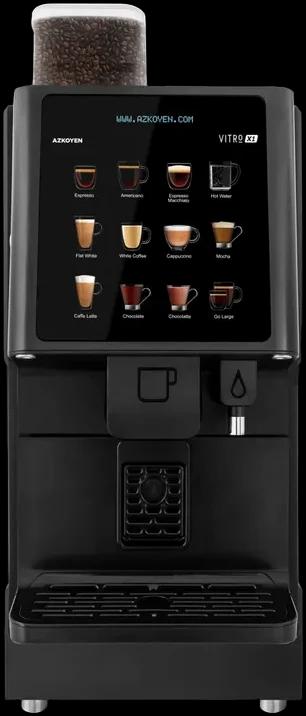
On this page (9 sections)
- Which coffee vending machine fits your location?
- How much cleaning does each coffee format need?
- When is fresh-ground or espresso coffee worth the extra upkeep?
- When does instant or pod coffee make more sense?
- Should you sell cold coffee instead of brewing it?
- What supplies does a coffee machine need besides coffee?
- How do you keep a coffee machine selling after it's placed?
- Your move this week
- Frequently asked questions
Which coffee vending machine fits your location?
Start with the people at the site, then pick the format. An office that already drinks specialty coffee wants bean-to-cup or espresso. A plant running round-the-clock shifts wants something fast and simple.
These machines work in very different ways. Some grind beans for every cup, some brew from pods, some mix powder with hot water, and some sell cold coffee that was never brewed on site. Each choice changes your stock list, your service schedule and how much cleaning you sign up for.
| Format | How it makes coffee | Upkeep | Best fit |
|---|---|---|---|
| Bean-to-cup | Grinds whole beans per cup | High | Offices that care about taste |
| Fresh brew | Brews pre-ground coffee per cup | Medium to high | Steady mid-size sites |
| Espresso | Pressure-brews shots and milk drinks | High | Specialty-drink crowds |
| Instant | Mixes soluble coffee with hot water | Low | Factories, shops, night shifts |
| Single-serve pod | Brews from sealed pods | Low to medium | Small offices |
| Hot drink combination | Coffee plus cocoa, tea and sometimes soup | Medium | Mixed audiences |
| Canned and bottled | Sells chilled ready-to-drink coffee | Low | Warm climates, campuses |
| Smart cooler | Chilled coffee behind an open door | Low | Offices with mixed tastes |
| Micro market station | Coffee as one station in a self-checkout market | Medium | Larger workplaces |
Once you have a format in mind, browse the Equipment catalog for machines that match. Every listing shows its price, capacity and warranty.
How much cleaning does each coffee format need?
The more a machine does on site, the more you have to clean. Grinders, brew units and milk systems need the most care. Powder, pods and packaged drinks need the least.
A skipped cleaning visit shows up in the cup, and people who get one bad cup often stop buying. That makes your visit schedule part of the machine decision. If a site sits at the far end of your route and you only get there now and then, a high-upkeep brewer will put out poor coffee between visits.
Before you buy, write down how often you can realistically service the site. Then line up capacity, warranty and power needs for your shortlist in Compare machines, which shows up to four machines side by side. Bigger canisters can stretch the time between visits, as long as the coffee stays fresh that long.
When is fresh-ground or espresso coffee worth the extra upkeep?
It is worth it when drinkers would otherwise walk to a café and the site has enough traffic to keep supplies moving. In a quiet breakroom, the extra cleaning rarely pays back.
A bean-to-cup machine grinds whole beans for each cup and brews it on the spot. The fresh grind is the selling point, and the smell of coffee at the machine helps sales. It fits corporate offices, coworking spaces and executive breakrooms.
An espresso machine pressure-brews shots and builds lattes and cappuccinos. It wins with people who already buy espresso drinks, and a good milk menu can make it the most-used machine in the building. Milk is the catch: milk systems need strict cleaning, and fresh milk adds spoilage to your list.
A fresh brew machine sits in between. It brews pre-ground coffee one cup at a time, so you skip the grinder, but ground coffee goes stale faster than whole beans. At low-traffic sites, size the canister to how fast people actually drink, or you'll be serving flat coffee.
Before you place a premium machine, run the spot through the Location profit calculator. It shows what a location earns after rent, spoilage, commission, fees and your time.
When does instant or pod coffee make more sense?
Instant and pod machines make more sense when speed, a short service window or slow traffic matter more than a café-quality cup. They forgive missed visits better than brewers do.
An instant machine mixes soluble coffee powder with hot water. It is fast and simple, and powder keeps well, so a slow week won't ruin your stock. Taste is the trade-off: people who know fresh coffee will notice, so instant works best in factories, warehouses, repair shops and overnight shifts.
A single-serve pod machine brews from sealed pods. Each pod stays fresh until it's used, so slow sites don't waste coffee, and switching flavors only means stocking a different pod. Pods do add packaging and a steady reorder list, and the used ones need emptying every visit.
Pods also raise a question for small offices. Ask whether the site wants an unattended vending setup or an office coffee arrangement, because pods often fit the second one better.
With low-upkeep formats, what the powder or pods cost you delivered matters more than usual. Compare suppliers with the Wholesale delivered-cost checker before you commit to one brand.

Should you sell cold coffee instead of brewing it?
Sell cold coffee when the site is warm, the crowd prefers iced drinks, or you can't keep up with a brewer. Nothing is brewed on site, so you skip the hot water and the cleaning that comes with it.
A refrigerated drink machine can sell ready-to-drink coffee in cans and bottles. Sales depend on the brands you stock and how cold the machine keeps them, so check the refrigeration specs and whether it can carry coffee next to other drinks. It suits campuses, gyms and warm-climate sites.
A smart cooler lets people open the door, pick a drink and pay on the way out. Ready-to-drink coffee sits next to other cold drinks and snacks, so one unit covers several tastes, and shoppers can pick up a new brand and read the label. It works best where the open-door format is trusted, like offices, apartment buildings and staffed workplaces.
Smart coolers come with their own ownership costs. The Smart cooler cost comparison shows what one costs to own over one to five years. Coolers with screens can also earn from ads through VendMedia.
If the site wants hot drinks for non-coffee drinkers too, a hot drink combination machine adds cocoa, tea and sometimes soup. That helps in hospitals, schools and government buildings, and it can smooth out sales across the seasons. More drinks means more canisters to fill and clean, so stock only what moves.
What supplies does a coffee machine need besides coffee?
Cups, lids, stirrers, sugar and creamer, plus milk if the machine makes milk drinks. These add up next to the coffee itself and belong in your cost math from day one.
Brewed coffee needs the most supplies per sale. Packaged cold coffee needs the fewest, since the can or bottle is the whole product. That difference is one more reason to weigh upkeep before cup quality.
Pantry puts national wholesale suppliers under one login and one cart, so you can order coffee, cups and other stock together. VendHub members get member pricing on equipment and supplies, which saves money over time, especially once you're running several machines.
How do you keep a coffee machine selling after it's placed?
Track which drinks sell at each site and plan your route around cleaning as much as restocking. Fill the canisters that empty fastest and stop refilling the ones that don't.
VendLytics connects your machine data and tracks every machine's sales and revenue in one place. It also produces a Location Statement and a Revenue Share report for each location, which gives you the commission numbers to send the site.
Coffee machines reward a tight routine. Put cleaning stops for your high-upkeep brewers on a fixed schedule, and treat a drop in sales at one site as a sign to check the cup before you blame the location.
Your move this week
- Ask the location what people drink now. A breakroom pod brewer, a line at the café down the street or a fridge full of energy drinks tells you which format will sell.
- Count how many cleaning visits you can make each week at that site, and cross off any format the table above says needs more.
- Take a photo of the spot and use See it in my space to drop a machine into it, then send the mockup to the property manager.
- Shortlist two or three machines in the Equipment catalog and compare them side by side.
- If you need more sites that want coffee, run a ZIP code and business type through the Vending location finder to get five real nearby businesses.
Frequently asked questions
What is the easiest coffee vending machine to maintain?
An instant machine or a refrigerated machine selling canned and bottled coffee needs the least care. Neither grinds beans nor handles fresh milk, so cleaning is simpler and stock lasts longer. Pod machines are also fairly easy to keep up with, though the used pods need emptying on every visit you make.
Which coffee format makes the best-tasting cup?
Bean-to-cup and espresso machines usually make the freshest cup because they grind or pressure-brew on the spot. That quality depends on regular cleaning and fresh supplies. If you can't service a site often, a simpler format that stays consistent may leave drinkers happier than a premium machine that gets neglected between visits.
Can one machine sell coffee and other drinks?
Yes. A hot drink combination machine adds cocoa, tea and sometimes soup next to coffee. A refrigerated machine or smart cooler can carry ready-to-drink coffee alongside sodas, water and snacks. Decide whether the site wants hot drinks, cold drinks or both, then check the spec sheet for capacity and refrigeration.
Does VendHub sell used coffee machines?
No. VendHub sells new machines only, never used or refurbished. Every machine in the Equipment catalog shows its price, and you can compare up to four side by side. If you're weighing new against used from another seller, check the warranty and the parts support before you decide on either.
Can I finance a coffee vending machine through VendHub?
VendHub does not lend directly. Members get in-platform equipment financing through VendHub's partner APPROVE, so you can apply while you shop for machines. Terms come from APPROVE based on your application. Membership details are on the Pricing page, and the VendHub FAQ answers common questions about financing and suppliers.
Keep reading
 Vape Vending Machine Placement: Put It Where Staff Check ID, and Pass on Open-Door Stores
 Types of Vending Machines: Pick by What the Spot Can Sell and How Much You Can Trust the Crowd
 Specialty Vending Machines: Pick the One Your Location's Foot Traffic Already Wants
 Pop Machines for Sale: Let the Location Pick Between Snack, Drink and Combo